
Tendons play a crucial role in our musculoskeletal system, connecting muscles to bones and allowing us to move efficiently. However, they are prone to injury and can become a source of pain and limitation if not properly cared for. In this article, we will explore some essential tips to keep your tendons healthy and functioning optimally, allowing you to maintain an active and pain-free lifestyle.
Appropriate Resistance Training:
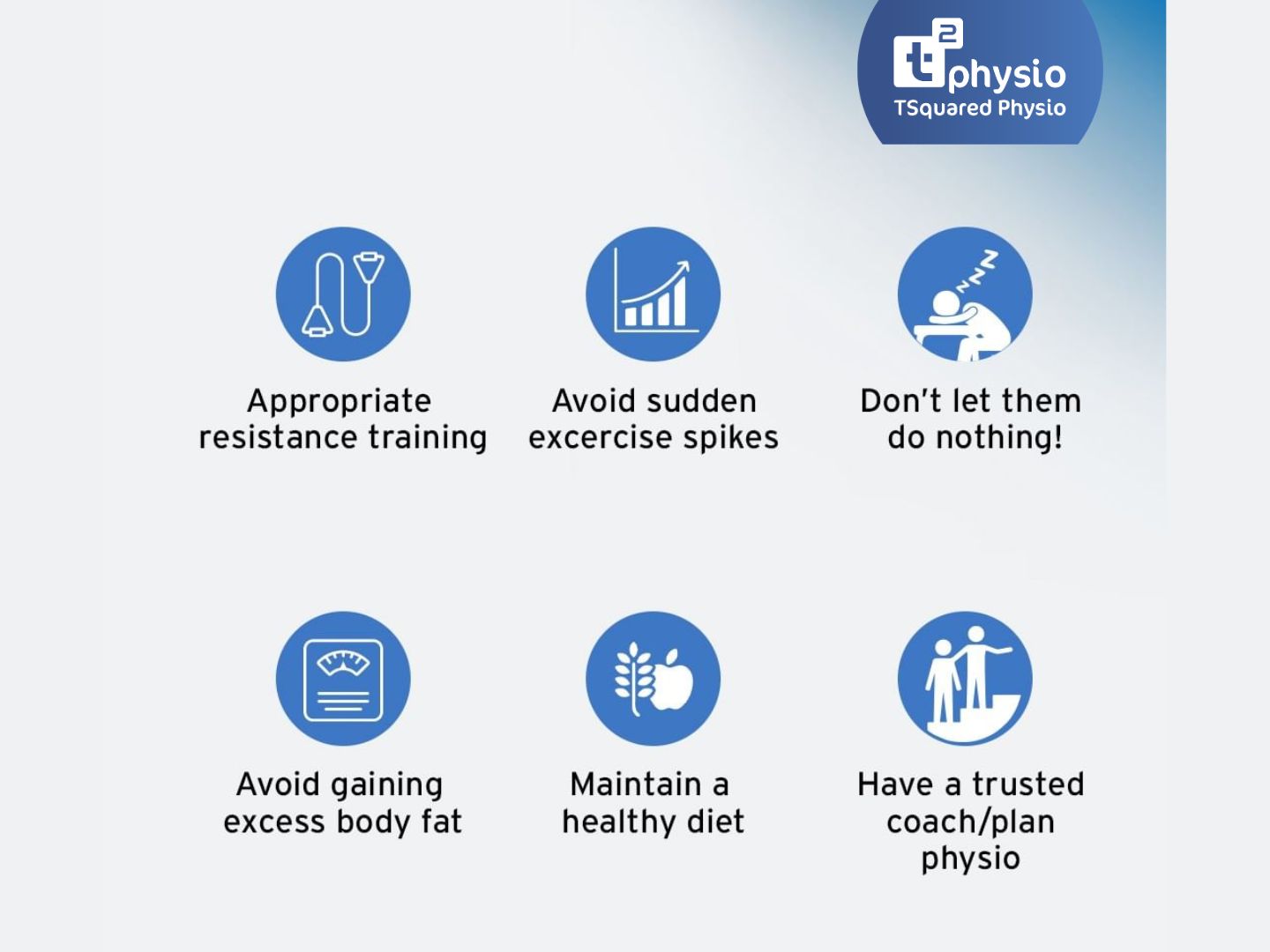
Engaging in regular resistance training is beneficial for building strength and maintaining healthy tendons. However, it’s essential to approach training with caution and ensure proper technique and form. Gradually increase the intensity and weight of your workouts to give your tendons time to adapt and strengthen. Consult with a qualified fitness professional to design a balanced and progressive training program tailored to your needs.
Avoid Sudden Exercise Spikes:
Rapid increases in exercise intensity or volume can place excessive stress on your tendons, increasing the risk of injury. Whether you’re starting a new exercise routine or returning to physical activity after a break, it’s crucial to gradually progress and allow your tendons to adjust. Listen to your body and pay attention to any signs of discomfort or pain. If you experience persistent pain, seek guidance from a healthcare professional.
Don’t Let Them Do Nothing!
Tendons require regular movement and stimulation to maintain their health. Prolonged periods of inactivity or immobility can weaken tendons and make them more susceptible to injury. Incorporate low-impact exercises, such as walking or cycling, into your routine to keep your tendons active. Additionally, perform dynamic stretching exercises to promote flexibility and improve blood flow to the tendons.
Avoid Gaining Excess Body Fat:
Maintaining a healthy weight is important for overall health, including tendon health. Excess body fat can increase the load and stress placed on tendons, potentially leading to overuse injuries. Focus on maintaining a balanced diet, rich in whole foods, and engage in regular physical activity to help manage your weight and reduce unnecessary strain on your tendons.
Maintain a Healthy Diet:
Nutrition plays a vital role in the health of your tendons. Consume a well-rounded diet that includes a variety of nutrients, such as lean proteins, whole grains, fruits, and vegetables. These nutrients provide the building blocks for tendon repair and help maintain their strength and resilience. Stay adequately hydrated as well, as dehydration can affect tendon elasticity and increase the risk of injury.
Have a Trusted Coach/Plan Physio:
Working with a qualified coach or a plan physiotherapist can be invaluable in maintaining tendon health. They can provide guidance on proper training techniques, help develop a personalized exercise program, and address any imbalances or weaknesses that may put stress on your tendons. A knowledgeable professional can also monitor your progress, make necessary adjustments, and provide strategies for injury prevention and rehabilitation.
Conclusion:
Keeping your tendons healthy is essential for maintaining an active lifestyle and preventing injuries. By following these guidelines, including appropriate resistance training, avoiding sudden exercise spikes, staying active, managing weight, maintaining a healthy diet, and seeking professional guidance, you can support the health and longevity of your tendons. Remember to listen to your body, prioritize gradual progression, and seek medical advice if you experience persistent pain or discomfort. Taking care of your tendons will contribute to your overall physical well-being and allow you to enjoy the activities you love for years to come.
 TSquared Physiotherapy
Leave a comment