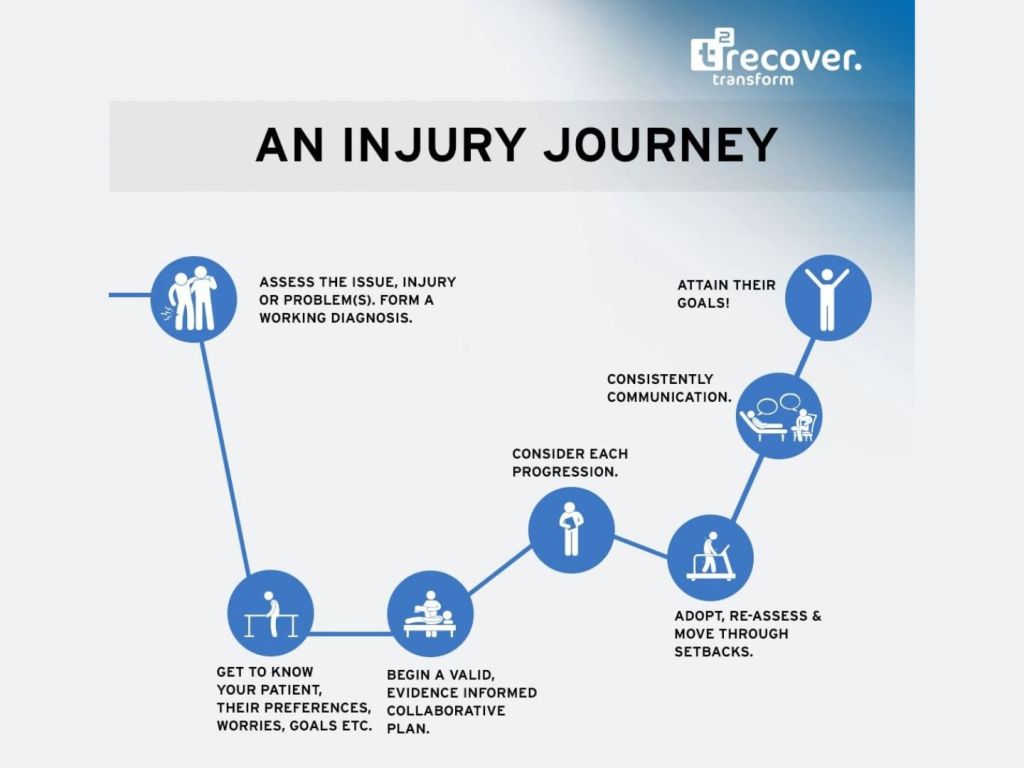
When it comes to treating injuries, physiotherapists play a vital role in helping individuals recover and regain their physical well-being. They follow a structured process that involves assessing the issue, collaborating with the patient, developing a treatment plan, monitoring progress, and maintaining effective communication. In this article, we will explore the steps involved in a physiotherapist’s process to treat an injury, highlighting the importance of individualized care and goal attainment.
1. Assess the Issue, Injury, or Problem(s):
The first step in the physiotherapist’s process is to thoroughly assess the patient’s condition. This includes understanding the nature of the injury, identifying contributing factors, and evaluating any related issues. Through physical examination, movement analysis, and diagnostic tests, the physiotherapist forms a working diagnosis, providing a foundation for further treatment planning.
2. Get to Know Your Patient:
Building a strong rapport with the patient is essential for effective treatment. Physiotherapists take the time to listen to their patients, understanding their preferences, worries, goals, and expectations. This holistic approach helps create a trusting relationship and ensures that the treatment plan aligns with the patient’s individual needs and aspirations.
3. Begin a Valid, Evidence-Informed Collaborative Plan:
Based on the assessment and understanding of the patient’s goals, the physiotherapist develops a personalized treatment plan. This plan draws from evidence-informed practices, combining manual therapies, therapeutic exercises, modalities, and other techniques tailored to the patient’s specific needs. The physiotherapist guides the patient through the plan, setting realistic milestones and adapting as necessary.
4. Consider Each Progression: Adopt, Re-assess & Move Through Setbacks:
Treatment progress is not always linear, and setbacks may occur. Physiotherapists understand the importance of adapting to these challenges and continuously re-assessing the patient’s response to treatment. They adjust interventions, modify exercises, or incorporate new techniques as needed to optimize healing and rehabilitation. This iterative approach ensures that the treatment plan remains dynamic and effective.
4. Consistent Communication:
Communication is a cornerstone of successful physiotherapy treatment. Physiotherapists maintain open lines of communication with their patients, providing education about the injury, explaining treatment options, and addressing any concerns or questions. They also collaborate with other healthcare professionals involved in the patient’s care to ensure a comprehensive and integrated approach to treatment.
5. Attain Patients’ Goals:
The ultimate objective of a physiotherapist is to help patients achieve their goals. Whether it’s returning to sports, improving mobility, or reducing pain, the physiotherapist works closely with the patient to monitor progress and make necessary adjustments to the treatment plan. By continually reassessing and modifying interventions, they aim to empower patients and support their journey toward reaching their desired outcomes.
Conclusion:
Physiotherapists follow a systematic and patient-centered process to treat injuries. From assessing the issue and forming a working diagnosis to developing collaborative treatment plans, adapting interventions, and maintaining consistent communication, their approach is focused on individualized care and goal attainment. By combining expertise, evidence-informed practices, and patient collaboration, physiotherapists play a crucial role in helping individuals recover, regain function, and enhance their overall well-being.
 TSquared Physiotherapy
Leave a comment